
About Us

Karthika Nagalekshmi
Postdoc, Molecular Medicine
As someone who has dependent parents and no other forms of financial support, I have accepted that I will remain financially disadvantaged. I tell myself it’s a luxury to rent a whole apartment for myself in my 30s, and that it’s okay to not be able to travel anywhere since I have to spend the time and money I barely have to go to my home country to renew my visa. I have accepted all this because I love science, but as I watch our colleagues around the country unionize, I’ve realized I shouldn’t have to make compromises to stay in science. Which is why I strongly support the unionizing of postdocs. We deserve better!
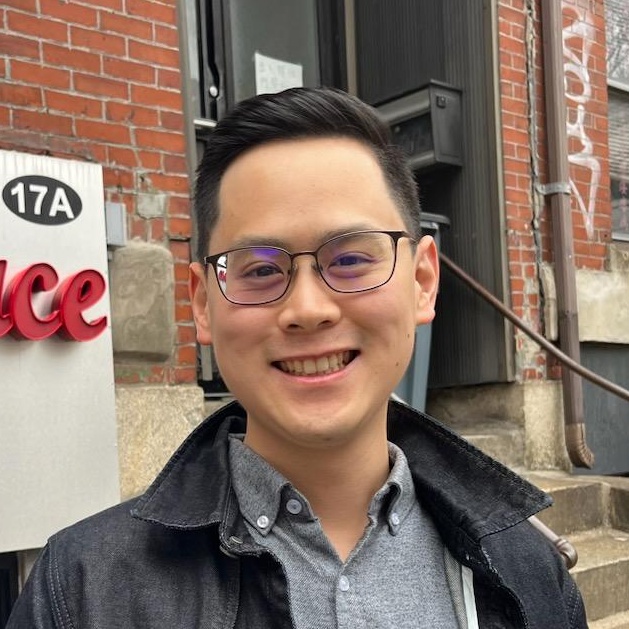
Kevin Gao
Graduate Worker, Medicine
I support having a union so that we can better advocate for comprehensive health care benefits, equitable working conditions, and fair wages. As a collective of students, we can unite to ensure that we have resources to support our well-being as we pursue our commitment to produce impactful and innovative research.

Sachin Chaugule
Postdoc, Genetic & Cellular Medicine
As international research scholars, being away from our families in a foreign country brings its own set of stresses. Concerns such as housing, visa issues, tax complications, and the challenges of planning for a family, childcare, or retirement can significantly affect our research and physical and mental health. These personal struggles are often worsened by inadequate institutional support, making it difficult to focus on our work. By uniting as a collective, we can gain the strength to negotiate better salaries, improved benefits, more protection for those of us on visas, and a less stressful and more dignified experience. We provide immense value through our research and we all deserve fair treatment and respect for our contributions

Katherine Murphy
Graduate Worker, Molecular, Cell & Cancer Biology
I am in favor of unionizing so we can negotiate for better health care coverage and higher salaries for student workers. Too often, we are treated only as students, which allows the administration to curb benefits we have access to as workers and pay us less than we deserve for the long hours required of us. Unionizing will give us a bigger voice at the table so that we can communicate the challenges student workers face regularly and work with UMass administration to see them addressed properly.

Marina Krykbaeva
Postdoc, RNA Therapeutics Institute
As highly trained workers that have gone through the challenging process of earning a doctorate degree, postdocs are grossly underpaid for our skill level. The products of our discoveries contribute to development of novel, life-saving therapeutics while we struggle to afford basic necessities such as groceries and housing. We are currently facing the highest inflation rates in forty years but our wages are not adequately rising to match the increasing cost of living. Our needs are not being met and collective bargaining will give us more power to advocate for ourselves.

Ivano Mocavini
Postdoc, Biochemistry & Molecular Biotechnology
As international workers we are exceptionally vulnerable in that our stay in this country is solely tied to our employer’s good will. Far too many in our community have experienced the distress of being abruptly terminated and forced to leave the country – in many cases with family and dependents in tow. All awhile, the national political landscape does not bear the promise of a better future. Now more than ever, we need to get together and form a union, so we can negotiate for stronger protections against unfair termination to make sure our jobs are secure and dignified.

Carolyn Senneca
Graduate Worker, Dermatology
I support a union because there are no comprehensive protocols or protections in place for graduate workers who find themselves in conflict with their mentor and need to change labs partway through their PhD. We are currently at the mercy of the administration, which has the final say on how to resolve our situations, and many of us do not end up with a fair outcome. Collective bargaining will ensure that we have the power to advocate for real change and we are able to protect ourselves when difficult situations arise.

Emmet Karner
Graduate Worker, Molecular, Cell & Cancer Biology
I believe that student workers should have a say in how funds are spent on campus and collective bargaining will allow us to receive both transparency and a voice in how we use our resources to foster the best research environment at UMass Chan. Being a part of a national labor movement will also allow us to contribute to a greater effort with thousands of other academic workers in the UAW to advocate for more science funding and rights for international students.

Kylie Sumner
Graduate Worker, Medicine
I am a third year graduate student and I am proud to support our progress toward becoming a union. I have several medical conditions but our current medical insurance does not allow me to get the care that I need at an affordable rate. I would like student workers to have more power when it comes to working conditions and mistreatment.
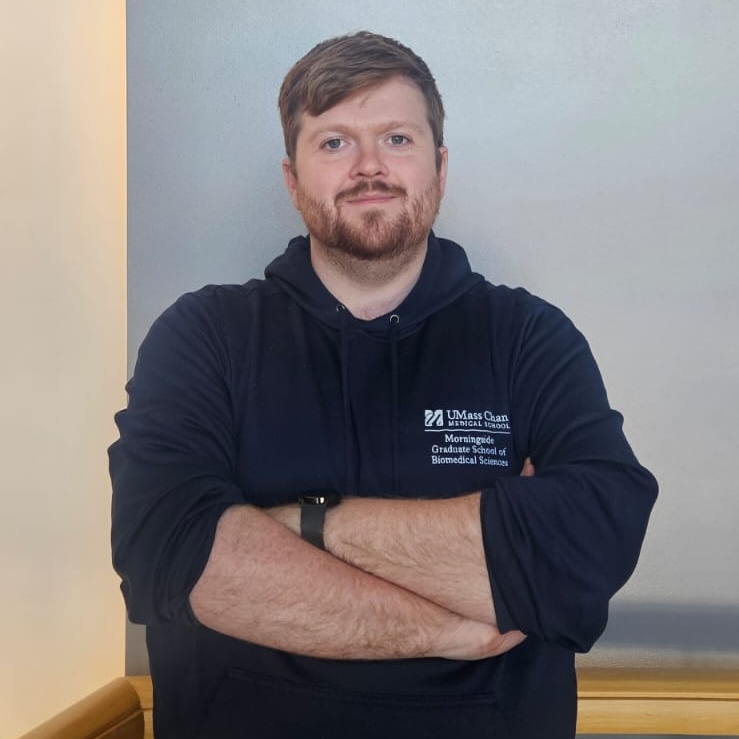
Clint McDaniel
Graduate Worker, Biochemistry & Molecular Biotechnology
I am in support of a union for graduate student workers because I believe having a union will provide us with resources to support our campus community. Many of the student body, myself included, can barely cover our living expenses on our current stipend. Additionally, I am unable to get the health care I need due to the decline in quality of our health insurance. Everyone should have the right to a living wage and affordable health care. If the administration will not listen to the needs of the student workers, then it is crucial for us to have a union that will advocate for us.

Zahra Seraj
Postdoc, RNA Therapeutics Institute
Passion for research keeps many of us in academia, but low salaries and job insecurity make it difficult to stay. Fair pay and stability would ease financial stress, keep researchers motivated, and make academia a more sustainable career. That’s why I support unionization—to help create a better future for all of us.
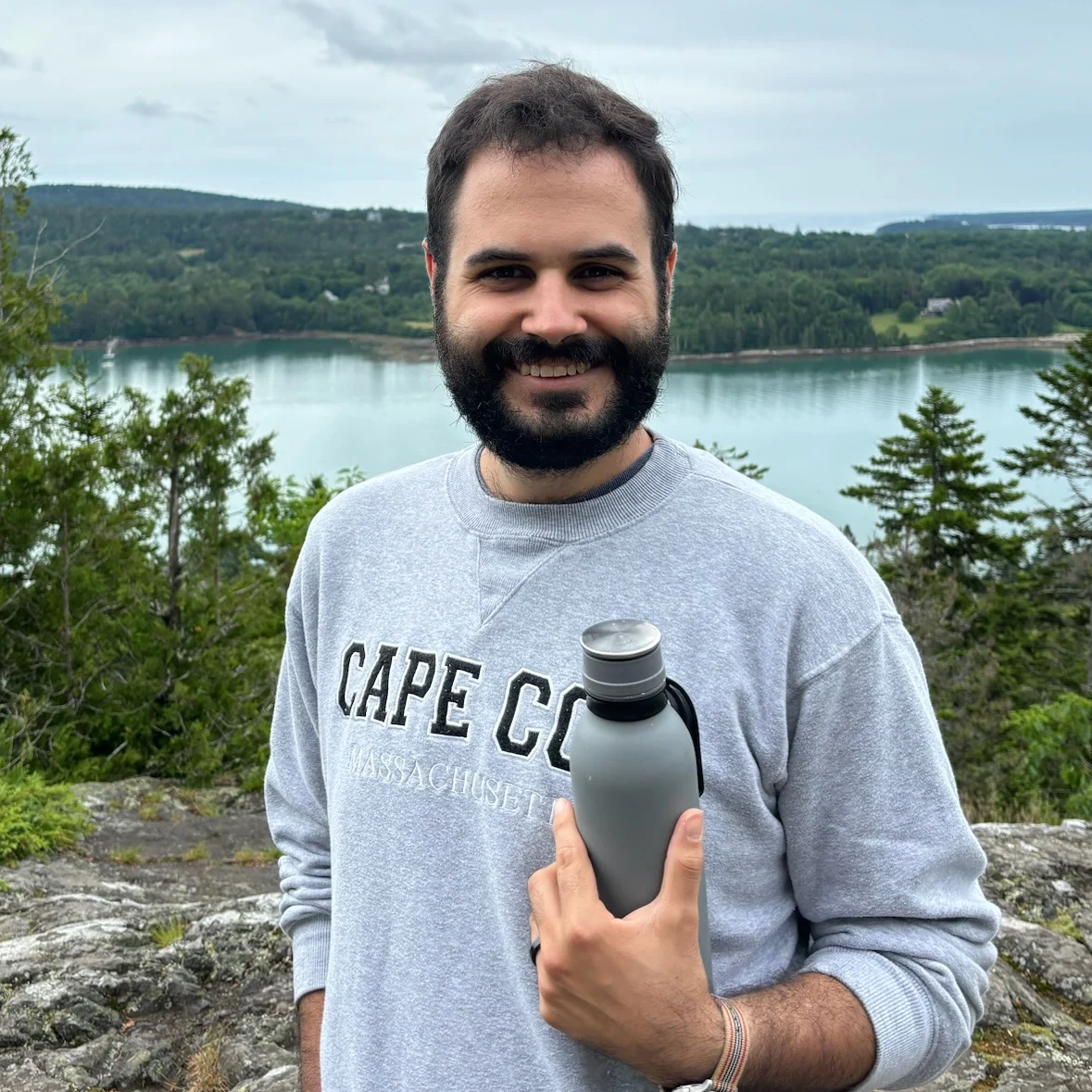
Josh Pajak
Postdoc, Biochemistry & Molecular Biotechnology
As postdocs, we have been asked time and time again to make sacrifices to pursue our science and future career goals. We turn down higher paying jobs in industry, delay homeownership, delay starting families – in short, we are asked to face a lot of uncertainty. As we face even more uncertainty with NIH funding in the upcoming years, I believe it is more important than ever to unionize and collectively bargain to win higher wages and provide more protections for the researchers that make UMass Chan a renowned research institute.

Lucas Restrepo
Graduate Worker, Molecular, Cell & Cancer Biology
I believe that students’ health, both physical and mental, should be prioritized in the workplace. Many of the fees associated with getting therapy, whether physical or emotional, are unaffordable on our current stipend. I suffered a neck injury from working tirelessly at a microscope and had to see multiple doctors and attend physical therapy twice a week. We are simply not paid enough to cover the fees and copays associated with this care on top of rent and other costs that have risen dramatically since I’ve been here. Student workers need a voice to negotiate for constant improvement to our working conditions. Our school is a billion dollar enterprise and it is outrageous that students are barely paid minimum wage.

Suji Pakchuen
Postdoc, Molecular, Cell & Cancer Biology
International postdocs face many challenges, especially job insecurity, as these positions are typically temporary and lack long-term stability. With a union, we can advocate for institutional support with visa-related issues and a fair contract. I believe a union can help raise our small voices to effectively be heard by UMass.

Feston Idrizi
Graduate Worker, Molecular, Cell & Cancer Biology
Student workers do a significant portion of the research conducted here at UMass Chan, and our contributions play a crucial role in attracting funding for the institution. UMass’ decision to make our medical insurance coverage worse and increase out-of-pocket expenses, alongside increases in living costs, have highlighted the urgent need for collective action in order to have a stronger voice in shaping the policies that affect our daily lives. With a union we can create a platform to share challenges, seek support, and collaborate with others facing similar problems.

Milo Vantine
Graduate Worker, Molecular, Cell & Cancer Biology
I support having a union so that we can better advocate for fair wages, comprehensive health care benefits and equitable working conditions. By coming together as a collective, we can advocate for the resources necessary to continue producing impactful and innovative research, while maintaining a healthy and sustainable work-life dynamic.

Erica Katz
Graduate Worker, Dermatology
Year after year we have seen our health insurance decrease in quality. When I first started at UMass my health care costs were manageable, but now the care and medications I need to live a healthy and productive life come with a heavy financial burden. A union will allow us to have a say in our insurance plan and prevent these unwanted benefit cuts.

Debora Ferreira
Postdoc, Gene Therapy Center
Despite our advanced expertise and essential contributions to science and society, postdoctoral researchers are unfairly compensated and lack respect and recognition in the workplace. Salaries for postdocs barely cover basic living expenses, particularly in high-cost areas like Massachusetts. We encounter significant challenges, such as limited institutional support and the absence of housing assistance, which disproportionately affect international postdocs. Many of us must use our limited vacation time to travel back to our home countries annually to renew our visas, which drains our resources and restricts opportunities for rest and exploration. All this not only undermines our well-being but also hinders our ability to fully contribute to our research and professional growth. A union will empower postdocs to advocate for fair wages, better benefits, and improved job security, and give us collective strength to negotiate with employers, ensuring our voices are heard and our rights are protected. A union would also foster a stronger sense of community among postdocs, enabling us to collaborate in addressing the challenges that impact both our professional and personal lives.

Theresa Ramalho
Postdoc, Molecular, Cell & Cancer Biology
Postdoctoral training is a challenging academic path that demands an individual’s full dedication, creativity and independence for the development of specialized skills. The postdoc training is more effective with a collective effort that grants basic conditions for individual research development and critical thinking. Ideally, no postdoctoral trainee should spend her/his research time solving issues related to salary, health care, childcare and further basic needs. As a Union we can address our issues collectively rather than dealing with them individually. Most importantly, the Union can advocate for our basic needs, giving us more time to focus on our research and our career progress. I believe the Union can provide us with an opportunity to improve human relationships in our workplace and career/skill development in a practical way.

Poulami Ghosh
Postdoc, Microbiology
As a J1 immigrant, we face lots of challenges, from navigating a new university and new financial systems to making ends meet in the lab and at home. Added to this, we spend every day in fear of being fired at any time. Forming a union would enable us to negotiate with UMass as equals over benefits, salary, and job security.
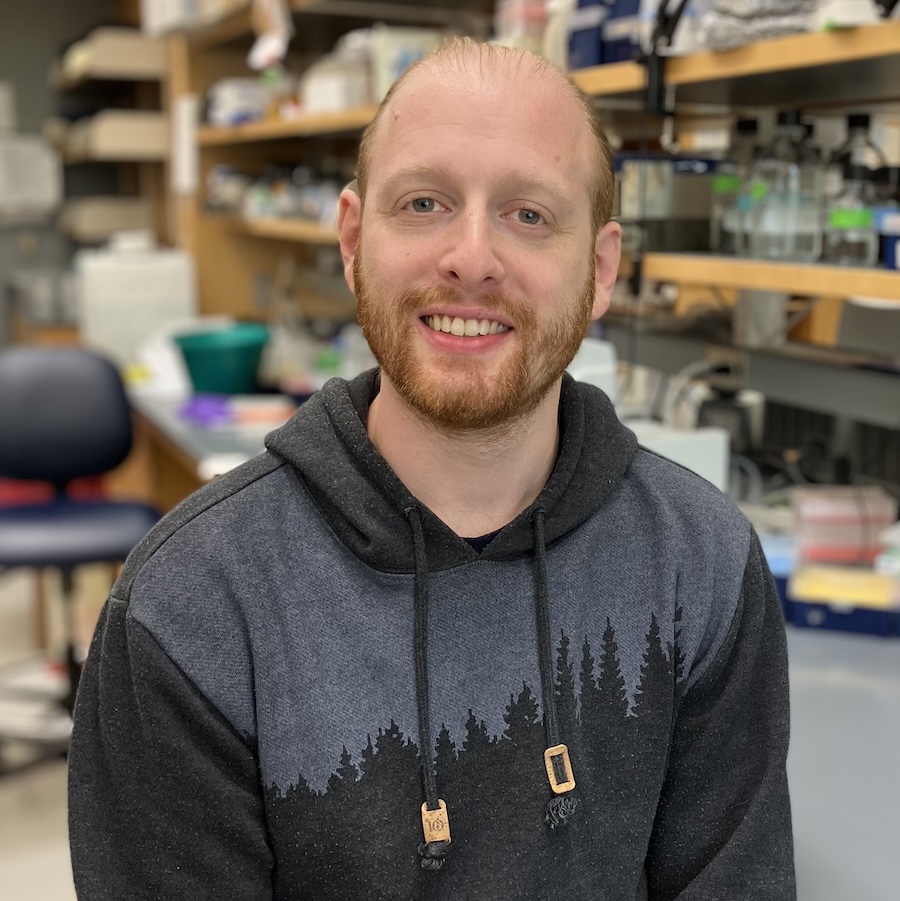
Evan Hass
Postdoc, Molecular, Cell & Cancer Biology
We take on postdoctoral positions because we want to further our careers in the fascinating and exciting line of work that is scientific research. However, postdoctoral work comes with many monetary and psychological stresses that need not be part of this career phase. Furthermore, postdoctoral “training” does not always guarantee us a career as academic researchers. If we want the postdoctoral experience to improve, I believe that forming a union will be a key part of this process, allowing us to advocate for change with an organized and unified voice.

Krishna Anand
Graduate Worker, Biochemistry & Molecular Biotechnology
This year I have become more involved as an advocate for the grad school community and have quickly learned how challenging it is for student concerns to be heard by the formal route. As an example of what I have witnessed, although graduate students by definition are well into their adulthood, I have heard some members of the graduate school leadership openly refer to students as “kids”. This attitude places a burden on students of having to prove we aren’t hyperbolizing our concerns before we can share them.

David Keener
Graduate Worker, RNA Therapeutics Institute
As workers, we cannot sit quietly and wait for fairer conditions. We must take charge of our futures and shift the balance of power, wherever and however we can, towards the powerless and the struggling. I support this unionizing effort because it is the only way to achieve fairer conditions for the workers here at UMass. This includes higher wages, better health care coverage, and stronger protections for students and post-docs. We all deserve to have our rights protected. We can’t depend on other people to do that for us anymore, we have to do it ourselves. When we build this coalition together, we will win!”
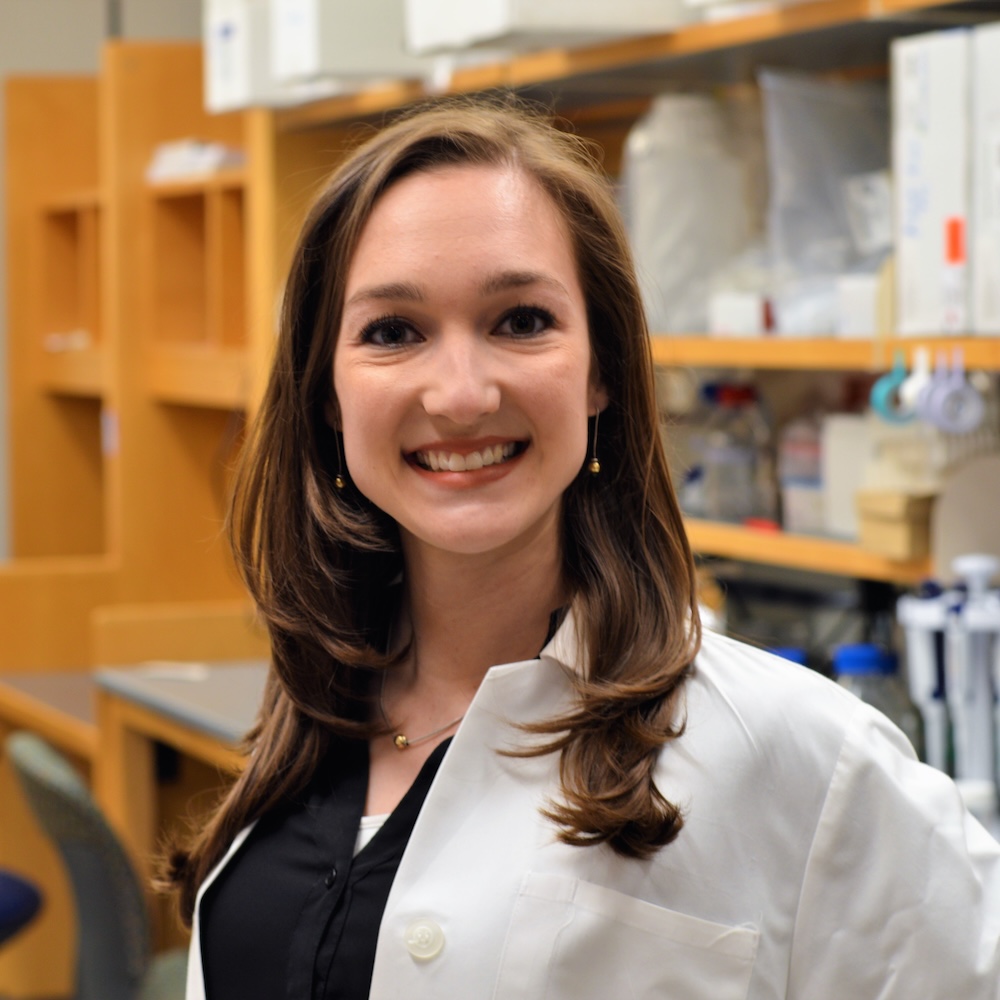
Heather Learnard
Graduate Worker, Cardiovascular Medicine
I am in favor of graduate student workers forming a union. Unfortunately, our current health insurance does not cover the care we need to maintain our health. Many of us rely on prescription medications that are now many times their previous price, while our stipends have not increased at the same rate. Our high deductible means that we must pay for many procedures out of pocket, which is almost impossible to afford on top of housing, groceries, and utilities. As student workers associated with a hospital and medical school, we should be able to afford to keep ourselves healthy. Many student workers have even had to forego ER or urgent care because the cost is high enough to wipe out our limited savings.

Natasha Buwa
Postdoc, Biochemistry & Molecular Biotechnology
As an international postdoc, I’m going through a unique challenge that no one should have to handle alone without a support system – all while navigating an inadequate healthcare system and inefficient bureaucracy. Having experienced how quickly circumstances can change, I believe that a union would make it possible to address our individualized issues – because we don’t have to fight our battles alone. Together, we can push for real change and ensure that we get the respect and resources we deserve to thrive in our professional and personal lives.

Kaltinaitis dos Santos
Postdoc, Medicine
At UMass Chan, a postdoc union would play a vital role in advocating for the rights and well-being of postdocs, especially international researchers like me. A major challenge we face is having to use our limited vacation time to travel home for visa renewals, which disrupts both our personal and professional lives. With a union we can work to ensure visa renewals don’t require sacrificing vacation time, improving work-life balance and allowing us to focus on research. This effort not only supports individuals but also fosters a more inclusive and equitable environment for all researchers.